
Professional Qualification
Undergraduate Certificate in Implementing Robotics in Surgical Procedures and Training
Gain hands-on experience in implementing robotics in surgical procedures and training, improving precision and patient outcomes.

Undergraduate Certificate in Implementing Robotics in Surgical Procedures and Training
$99
• 2 MonthsCourse Overview
Course Overview: Undergraduate Certificate in Implementing Robotics in Surgical Procedures and Training
This certificate is designed for undergraduate students, medical professionals, and healthcare technicians seeking to enhance their skills in robotic-assisted surgery. It caters to individuals from diverse backgrounds, including nursing, biomedical engineering, and healthcare administration. By enrolling in this course, students will gain a solid understanding of the principles and applications of robotic surgery.
Through this program, participants will acquire hands-on experience with robotic systems, develop critical thinking skills, and learn to integrate robotics into surgical procedures and training. They will also gain knowledge of safety protocols, patient care, and the future of robotic-assisted surgery.
Description
Unlock the Future of Surgery: Implementing Robotics in Surgical Procedures and Training
Join the forefront of medical innovation with our Undergraduate Certificate in Implementing Robotics in Surgical Procedures and Training. This cutting-edge program prepares you to revolutionize surgical care with robotics-assisted techniques. Gain hands-on experience with state-of-the-art robotic systems, and develop the skills to integrate them into clinical practice. Enhance patient outcomes, improve surgical precision, and reduce recovery times.
Launch your career in this exciting field, with opportunities in hospitals, research institutions, and medical device companies. Collaborate with experts in robotics, surgery, and healthcare, and network with peers who share your passion. With a unique blend of theoretical foundations and practical training, this certificate program sets you up for success in the rapidly evolving field of robotic-assisted surgery. Apply now and take the first step towards shaping the future of surgical care.
Key Features
Quality Content
Our curriculum is developed in collaboration with industry leaders to ensure you gain practical, job-ready skills that are valued by employers worldwide.
Created by Expert Faculty
Our courses are designed and delivered by experienced faculty with real-world expertise, ensuring you receive the highest quality education and mentorship.
Flexible Learning
Enjoy the freedom to learn at your own pace, from anywhere in the world, with our flexible online learning platform designed for busy professionals.
Expert Support
Benefit from personalized support and guidance from our expert team, including academic assistance and career counseling to help you succeed.
Latest Curriculum
Stay ahead with a curriculum that is constantly updated to reflect the latest trends, technologies, and best practices in your field.
Career Advancement
Unlock new career opportunities and accelerate your professional growth with a qualification that is recognized and respected by employers globally.
Topics Covered
- Introduction to Surgical Robotics: Understanding the basics of robotics in surgical procedures and patient care.
- Robotics and Minimally Invasive Surgery: Applying robotics in minimally invasive surgical techniques and patient outcomes.
- Robot-Assisted Surgical Training and Simulation: Developing skills in robotic-assisted surgical training and simulation environments.
- Surgical Robotics and Patient Safety: Ensuring patient safety during robotic-assisted surgical procedures and emergencies.
- Robotics in Specialized Surgical Procedures: Exploring the use of robotics in specialized surgical procedures and disciplines.
- Implementing and Maintaining Robotics in Surgical Settings: Managing the integration and maintenance of robotic systems in surgical environments.
Key Facts
This certificate is designed for:
Audience: Healthcare professionals, medical students, and biomedical engineers.
Prerequisites: Basic understanding of anatomy and biology.
Upon completion, you will be able to:
Outcomes:
Apply robotic systems in surgical procedures.
Design effective training programs for surgeons.
Evaluate robotic technology for healthcare settings.
Implement patient-centered care using robotics.
Why This Course
To advance in the medical field, learners can consider the Undergraduate Certificate in Implementing Robotics in Surgical Procedures and Training.
Meanwhile, this certificate offers several benefits.
Develops hands-on skills in robotic-assisted surgery, enhancing career prospects.
Provides comprehensive knowledge of robotic systems and their applications in various medical procedures.
Prepares learners to design and implement effective robotic training programs.
Course Brochure
Download the detailed course brochure to learn more about Undergraduate Certificate in Implementing Robotics in Surgical Procedures and Training

Pay as an Employer
Request an invoice for your company to pay for this course. Perfect for corporate training and professional development.
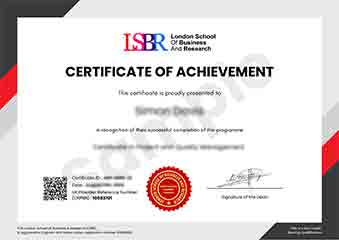
Sample Certificate
Preview the certificate you'll receive upon successful completion of this program.
Flexible Learning
24/7 Support
Enrol & Start Anytime
Recommended Learning Hours : 2-4 Hrs/Week
100% Online
Corporate Invoicing Available
What People Say About Us
Hear from our students about their experience with the Undergraduate Certificate in Implementing Robotics in Surgical Procedures and Training at HealthCareCourses.
Sophie Brown
United Kingdom"The course provided a comprehensive understanding of robotics in surgery, covering both theoretical foundations and practical applications, which significantly enhanced my knowledge in this field. Through hands-on training and simulation exercises, I gained valuable skills in designing and implementing robotic-assisted surgical systems, preparing me for a career in medical robotics. The course content has been invaluable in expanding my career prospects and staying at the forefront of this rapidly evolving field."
Wei Ming Tan
Singapore"This course has given me the unique opportunity to develop a deep understanding of how robotics can be seamlessly integrated into surgical procedures, which has significantly enhanced my skills in medical robotics and informatics. The knowledge and expertise I gained have been invaluable in my career, enabling me to take on more complex projects and contribute to the development of innovative robotic-assisted surgical systems. As a result, I've been able to advance my career and take on leadership roles in the field, where I can apply my skills to drive meaningful change and improve patient outcomes."
Greta Fischer
Germany"The structured approach of this course allowed me to seamlessly transition from theoretical foundations to practical applications of robotics in surgery, greatly enhancing my understanding of the field. The comprehensive content covered all aspects of robotics in surgical procedures and training, providing a well-rounded knowledge base that I can apply in my future career. Overall, this course has significantly improved my professional growth and prepared me for a career in this exciting and rapidly evolving field."
More Courses You Might Like
Explore similar courses to expand your learning journey
From Our Blog
Insights and stories from our business analytics community
The Implementing Robotics in Surgical Procedures and Training Customer Journey
Discover how robotics can revolutionize surgery and enhance patient outcomes. Gain hands-on experience and join the future of medical innovation.
The Psychology of Implementing Robotics in Surgical Procedures and Training
Explore the future of surgery with robotics training and enhance patient outcomes.
Implementing Robotics in Surgical Procedures and Training Continuous Improvement
"Unlock the future of surgery with our Executive Development Programme, equipping you with skills to integrate robotics-assisted techniques and enhance patient outcomes."