
Professional Qualification
Professional Certificate in Epidemiology of Climate-Related Health Risks
Gain expertise in epidemiology to investigate and respond to climate-related health risks, informing public health policy and practice.

Professional Certificate in Epidemiology of Climate-Related Health Risks
$149
• 2 MonthsCourse Overview
Course Overview: Epidemiology of Climate-Related Health Risks
This course is designed for public health professionals, researchers, and policymakers seeking to understand the impact of climate change on health. It is ideal for those working in environmental health, epidemiology, or climate-related fields. By the end of the course, participants will gain a comprehensive understanding of climate-related health risks.
Participants will learn to analyze and interpret data on climate-related health outcomes, develop strategies to mitigate the impact of climate change on health, and communicate effectively with stakeholders. They will also gain practical skills in designing and implementing climate-related health research studies.
Description
Unlock the Power to Protect Public Health in a Changing Climate
Join our Professional Certificate in Epidemiology of Climate-Related Health Risks and embark on a journey to understand the intricate relationships between climate, environment, and human health. This comprehensive program equips you with the knowledge, skills, and tools to investigate, analyze, and mitigate the health impacts of climate change.
Boost Your Career: As a trained epidemiologist, you'll be in high demand across various sectors, including government, healthcare, research, and non-profit organizations. With this certificate, you'll be poised to take on leadership roles in shaping climate-resilient public health policies and programs.
Unique Features: Our program offers a multidisciplinary approach, combining epidemiology, environmental science, and climate change expertise. You'll engage with renowned faculty, collaborate with peers from diverse backgrounds, and apply your knowledge through real-world case studies and projects.
Key Features
Quality Content
Our curriculum is developed in collaboration with industry leaders to ensure you gain practical, job-ready skills that are valued by employers worldwide.
Created by Expert Faculty
Our courses are designed and delivered by experienced faculty with real-world expertise, ensuring you receive the highest quality education and mentorship.
Flexible Learning
Enjoy the freedom to learn at your own pace, from anywhere in the world, with our flexible online learning platform designed for busy professionals.
Expert Support
Benefit from personalized support and guidance from our expert team, including academic assistance and career counseling to help you succeed.
Latest Curriculum
Stay ahead with a curriculum that is constantly updated to reflect the latest trends, technologies, and best practices in your field.
Career Advancement
Unlock new career opportunities and accelerate your professional growth with a qualification that is recognized and respected by employers globally.
Topics Covered
- Introduction to Climate Change and Health: Understanding the links between climate change and human health.
- Environmental Epidemiology Fundamentals: Principles and methods of environmental epidemiology in climate change research.
- Climate-Related Health Risks and Vulnerabilities: Assessing populations vulnerable to climate-related health risks and impacts.
- Heat Stress, Extreme Weather Events, and Health: Examining the health effects of extreme heat and weather events.
- Vector-Borne and Waterborne Diseases in a Changing Climate: Climate change impacts on vector-borne and waterborne disease transmission.
- Developing Climate-Resilient Health Systems and Policies: Strategies for strengthening health systems and policies in response to climate change.
Key Facts
This certificate is designed for professionals working at the intersection of climate, health, and policy.
Audience: Healthcare professionals, policymakers, researchers, and environmental specialists.
Prerequisites: Bachelor's degree in a relevant field, basic knowledge of epidemiology.
Upon completion, participants can expect the following outcomes:
Enhanced skills: Analyze climate-related health data, assess risks.
Knowledge acquisition: Understand climate change impacts on health, epidemiological principles.
Career advancement: Opportunities in climate and health policy, research, and practice.
Why This Course
Pursuing the 'Professional Certificate in Epidemiology of Climate-Related Health Risks' is a strategic decision. This certificate equips learners to tackle the rising challenge of climate-related health risks.
Here are three unique benefits:
Develops critical skills to investigate and analyze climate-related health risks.
Enhances knowledge on designing effective interventions to mitigate these risks.
Prepares learners to contribute to policy-making and advocacy efforts globally.
Course Brochure
Download the detailed course brochure to learn more about Professional Certificate in Epidemiology of Climate-Related Health Risks
Pay as an Employer
Request an invoice for your company to pay for this course. Perfect for corporate training and professional development.
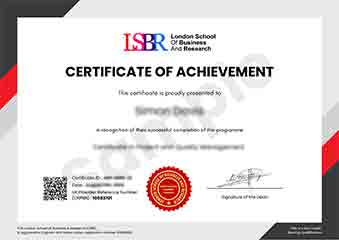
Sample Certificate
Preview the certificate you'll receive upon successful completion of this program.
Flexible Learning
24/7 Support
Enrol & Start Anytime
Recommended Learning Hours : 2-4 Hrs/Week
100% Online
Corporate Invoicing Available
What People Say About Us
Hear from our students about their experience with the Professional Certificate in Epidemiology of Climate-Related Health Risks at HealthCareCourses.
Oliver Davies
United Kingdom"This course provided a comprehensive understanding of the intersection between climate change and public health, with a wealth of high-quality resources and engaging content that helped me grasp complex concepts. The practical skills I gained in analyzing and interpreting climate-related health data will be invaluable in my future work, and I feel more confident in my ability to contribute to climate change mitigation and adaptation efforts. Overall, the course has significantly enhanced my knowledge and skills in this critical area."
Siti Abdullah
Malaysia"This course has given me the unique ability to analyze and communicate the health implications of climate change to policymakers and stakeholders, which has significantly enhanced my career prospects in environmental health. The skills I've developed in identifying and assessing climate-related health risks have been invaluable in my current role, allowing me to make a more substantial impact in my organization. The professional certificate has opened doors to new opportunities and has positioned me as a thought leader in the field of climate and health."
Anna Schmidt
Germany"The structured approach to understanding the complex relationships between climate change and human health was a significant strength of this course, providing a clear framework for grasping the subject matter. The comprehensive content and real-world case studies allowed me to appreciate the practical implications of epidemiology in addressing climate-related health risks, which I believe will be invaluable in my future career. Overall, the course has significantly enhanced my knowledge and ability to contribute to the field."
More Courses You Might Like
Explore similar courses to expand your learning journey
From Our Blog
Insights and stories from our business analytics community
Technology Integration in Epidemiology of Climate-Related Health Risks
Unlock the power to protect public health in a changing climate with our Professional Certificate in Epidemiology of Climate-Related Health Risks.
Measuring ROI in Epidemiology of Climate-Related Health Risks
"Unlock the power to protect public health in a changing climate by measuring ROI in epidemiology of climate-related health risks and boost your career in climate-resilient public health."
Epidemiology of Climate-Related Health Risks Risk Management
Unlock the power to protect public health in a changing climate with the Global Certificate in Epidemiology of Climate-Related Health Risks.