
Professional Qualification
Postgraduate Certificate in Epidemiology of Antimicrobial Resistance: A Global Health Perspective
Examine the epidemiology of antimicrobial resistance from a global health perspective, developing strategies to combat this pressing public health threat.

Postgraduate Certificate in Epidemiology of Antimicrobial Resistance: A Global Health Perspective
$149
• 2 MonthsCourse Overview
Course Overview
This Postgraduate Certificate is designed for healthcare professionals, researchers, and policymakers interested in addressing the global challenge of antimicrobial resistance. It's ideal for those seeking to enhance their knowledge and skills in epidemiology, particularly in the context of antimicrobial resistance.
By completing this course, you'll gain a comprehensive understanding of the epidemiology of antimicrobial resistance, its impact on global health, and strategies for prevention and control. You'll develop skills in data analysis, research design, and communication, enabling you to contribute to evidence-based policy and practice in this critical area.
Description
Unlock the Fight Against Antimicrobial Resistance
Join our Postgraduate Certificate in Epidemiology of Antimicrobial Resistance: A Global Health Perspective, and gain the expertise to tackle one of the world's most pressing health crises. Develop a deep understanding of the complex relationships between antimicrobial resistance, human health, and the environment.
Benefit from:
Expert instruction from renowned specialists in epidemiology and global health
Interactive learning through case studies, group discussions, and projects
Networking opportunities with peers and professionals from diverse backgrounds
Pursue career opportunities in public health, research, policy-making, and healthcare. Enhance your skills in data analysis, research design, and evidence-based practice. Be part of the solution to this global health challenge.
Key Features
Quality Content
Our curriculum is developed in collaboration with industry leaders to ensure you gain practical, job-ready skills that are valued by employers worldwide.
Created by Expert Faculty
Our courses are designed and delivered by experienced faculty with real-world expertise, ensuring you receive the highest quality education and mentorship.
Flexible Learning
Enjoy the freedom to learn at your own pace, from anywhere in the world, with our flexible online learning platform designed for busy professionals.
Expert Support
Benefit from personalized support and guidance from our expert team, including academic assistance and career counseling to help you succeed.
Latest Curriculum
Stay ahead with a curriculum that is constantly updated to reflect the latest trends, technologies, and best practices in your field.
Career Advancement
Unlock new career opportunities and accelerate your professional growth with a qualification that is recognized and respected by employers globally.
Topics Covered
- Fundamentals of Epidemiology: Introduction to epidemiological principles, study designs, and statistical methods.
- Antimicrobial Resistance: A Global Health Perspective: Understanding the global burden, epidemiology, and impact of antimicrobial resistance.
- Microbiology and Mechanisms of Resistance: Exploring microbiological concepts and mechanisms of antimicrobial resistance.
- Surveillance and Outbreak Investigation: Practical approaches to designing and implementing surveillance systems and investigating outbreaks.
- Epidemiological Analysis and Modelling: Applying statistical and mathematical models to understand and predict antimicrobial resistance.
- Policy and Interventions for AMR Control: Developing and evaluating policies and interventions to combat antimicrobial resistance.
Key Facts
Our postgraduate certificate is designed for:
Audience: Healthcare professionals, researchers, and policymakers worldwide.
Prerequisites: Bachelor's degree in a relevant field, e.g., medicine, public health.
Upon completion, students can expect:
Outcomes:
Apply epidemiological principles to AMR challenges.
Analyze global AMR trends and surveillance data.
Develop effective AMR control strategies and policies.
Why This Course
Learners seeking to specialize in epidemiology should consider the Postgraduate Certificate in Epidemiology of Antimicrobial Resistance.
Here are three key benefits:
Gain expertise: Develop advanced skills in epidemiology and antimicrobial resistance, enhancing career prospects.
Address global challenges: Equip yourself to tackle the growing threat of antimicrobial resistance, a pressing global health concern.
Network globally: Join a diverse community of professionals working towards a common goal, sharing knowledge and best practices.
Course Brochure
Download the detailed course brochure to learn more about Postgraduate Certificate in Epidemiology of Antimicrobial Resistance: A Global Health Perspective

Pay as an Employer
Request an invoice for your company to pay for this course. Perfect for corporate training and professional development.
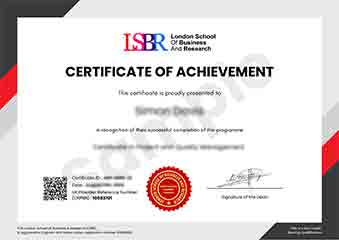
Sample Certificate
Preview the certificate you'll receive upon successful completion of this program.
Flexible Learning
24/7 Support
Enrol & Start Anytime
Recommended Learning Hours : 2-4 Hrs/Week
100% Online
Corporate Invoicing Available
What People Say About Us
Hear from our students about their experience with the Postgraduate Certificate in Epidemiology of Antimicrobial Resistance: A Global Health Perspective at HealthCareCourses.
Oliver Davies
United Kingdom"This course provided an in-depth understanding of the complex issues surrounding antimicrobial resistance, with a comprehensive curriculum that covered the epidemiological, clinical, and public health aspects of the problem. Through the course, I gained practical skills in data analysis, interpretation, and presentation, as well as the ability to critically evaluate the effectiveness of different strategies for addressing antimicrobial resistance. The knowledge and skills I acquired have significantly enhanced my ability to contribute to the development of evidence-based solutions in this critical area of global health."
Jia Li Lim
Singapore"This course has been instrumental in equipping me with the knowledge and skills to tackle the complex issue of antimicrobial resistance, allowing me to make a tangible impact in my work with global health organizations. The learning outcomes have been directly applicable to my role, enabling me to inform policy decisions and improve antimicrobial stewardship programs. The course has significantly advanced my career, opening up opportunities to work on high-profile projects and collaborate with leading experts in the field."
Brandon Wilson
United States"The course structure was well-organized, allowing me to seamlessly transition between theoretical foundations and real-world applications of antimicrobial resistance epidemiology, which significantly enhanced my understanding of the complex issues at play. The comprehensive content covered all aspects of the topic, providing a solid foundation for further research and professional growth. This course has equipped me with the knowledge and skills to tackle the pressing global health challenge of antimicrobial resistance."
More Courses You Might Like
Explore similar courses to expand your learning journey
From Our Blog
Insights and stories from our business analytics community
Data-Driven Epidemiology of Antimicrobial Resistance: A Global Health Perspective Decisions
Unlock expertise in fighting antimicrobial resistance with our global health-focused postgraduate certificate. Gain skills in data analysis and policy-making to combat this critical health threat.
Optimizing Epidemiology of Antimicrobial Resistance: A Global Health Perspective Workflows
"Unlock the fight against antimicrobial resistance with our expert-led course, equipping you with the skills to tackle this global health crisis."
Epidemiology of Antimicrobial Resistance: A Global Health Perspective Value Creation
Unlock the fight against antimicrobial resistance with our expert-led programme, equipping professionals with the skills to tackle this global health crisis.