
Professional Qualification
Certificate in Designing Healthcare Infrastructure for Urban Resilience
Develop a resilient healthcare infrastructure with our certificate program, enhancing urban sustainability and improving patient outcomes through informed design decisions.

Certificate in Designing Healthcare Infrastructure for Urban Resilience
$79
• 2 MonthsCourse Overview
Course Overview: Certificate in Designing Healthcare Infrastructure for Urban Resilience
This course is designed for urban planners, architects, healthcare professionals, and policymakers seeking to create resilient healthcare systems in urban environments. By enrolling, participants will gain a comprehensive understanding of designing healthcare infrastructure that addresses the unique challenges of urban areas.
Through this course, learners will acquire knowledge on incorporating disaster-resilient and sustainable design principles, leveraging technology for efficient healthcare delivery, and developing strategies to address urban health inequities. Upon completion, participants will be equipped to design and implement effective healthcare infrastructure solutions that enhance urban resilience.
Description
Transforming Healthcare Infrastructure for Resilient Cities
In this comprehensive Certificate program, learners will explore the intersection of healthcare, urban planning, and resilience. Develop the skills to design and manage healthcare infrastructure that promotes public health, sustainability, and community well-being.
Unlock New Career Opportunities
By completing this program, you'll be equipped to pursue roles in healthcare infrastructure planning, urban development, and disaster response. Enhance your knowledge and boost your career prospects in this rapidly growing field.
Unique Features
Learn from industry experts and academics in healthcare and urban planning.
Engage with real-world case studies and collaborative projects.
Develop a portfolio of designs and solutions that demonstrate your expertise.
Join a global network of professionals committed to creating resilient cities.
Key Features
Quality Content
Our curriculum is developed in collaboration with industry leaders to ensure you gain practical, job-ready skills that are valued by employers worldwide.
Created by Expert Faculty
Our courses are designed and delivered by experienced faculty with real-world expertise, ensuring you receive the highest quality education and mentorship.
Flexible Learning
Enjoy the freedom to learn at your own pace, from anywhere in the world, with our flexible online learning platform designed for busy professionals.
Expert Support
Benefit from personalized support and guidance from our expert team, including academic assistance and career counseling to help you succeed.
Latest Curriculum
Stay ahead with a curriculum that is constantly updated to reflect the latest trends, technologies, and best practices in your field.
Career Advancement
Unlock new career opportunities and accelerate your professional growth with a qualification that is recognized and respected by employers globally.
Topics Covered
- Fundamentals of Urban Healthcare Resilience: Understanding the concept of urban resilience in healthcare infrastructure design.
- Healthcare Infrastructure Planning and Policy: Analyzing policy frameworks and planning strategies for healthcare infrastructure development.
- Urban Healthcare Infrastructure Design Principles: Applying design principles to create resilient and sustainable healthcare infrastructure.
- Healthcare Emergency Preparedness and Response: Developing strategies for emergency preparedness and response in urban healthcare settings.
- Innovative Technologies for Healthcare Infrastructure: Exploring innovative technologies to enhance healthcare infrastructure resilience and efficiency.
- Sustainable Urban Healthcare Infrastructure Management: Implementing sustainable management practices for urban healthcare infrastructure operations.
Key Facts
Overview
Key Details
Audience: Healthcare professionals, architects, urban planners, and policymakers.
Prerequisites: Bachelor's degree in a related field, relevant work experience.
Outcomes:
Design sustainable healthcare infrastructure.
Develop urban resilience strategies.
Implement people-centered design principles.
Foster collaborative community engagement.
Analyze healthcare infrastructure challenges.
Why This Course
Learners seeking to enhance urban resilience can pick the 'Certificate in Designing Healthcare Infrastructure for Urban Resilience'. This program is ideal for those interested in healthcare infrastructure. Consequently, they will gain valuable knowledge.
Develops skills to design healthcare facilities that adapt to urban emergencies.
Enhances understanding of urban resilience principles in healthcare infrastructure.
Prepares learners to integrate technology and sustainable practices into healthcare infrastructure.
Course Brochure
Download the detailed course brochure to learn more about Certificate in Designing Healthcare Infrastructure for Urban Resilience

Pay as an Employer
Request an invoice for your company to pay for this course. Perfect for corporate training and professional development.
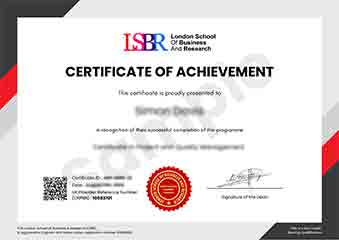
Sample Certificate
Preview the certificate you'll receive upon successful completion of this program.
Flexible Learning
24/7 Support
Enrol & Start Anytime
Recommended Learning Hours : 2-4 Hrs/Week
100% Online
Corporate Invoicing Available
What People Say About Us
Hear from our students about their experience with the Certificate in Designing Healthcare Infrastructure for Urban Resilience at HealthCareCourses.
Sophie Brown
United Kingdom"This course provided a comprehensive understanding of designing healthcare infrastructure for urban resilience, offering a wealth of knowledge on sustainable and adaptable design principles that I can apply in real-world projects. The course content was well-structured and helped me develop practical skills in assessing and mitigating the impact of natural disasters on healthcare facilities, which I believe will significantly enhance my career prospects in this field."
Oliver Davies
United Kingdom"This course has been instrumental in bridging the gap between design and public health, equipping me with the skills to develop infrastructure that not only enhances urban resilience but also prioritizes the well-being of its inhabitants. The in-depth knowledge I gained has been invaluable in my career, allowing me to take on more complex projects and collaborate effectively with multidisciplinary teams. As a result, I've seen a significant increase in my professional opportunities and a deeper impact in the communities I serve."
James Thompson
United Kingdom"The course structure effectively integrated theoretical foundations with practical case studies, allowing me to grasp the complexities of designing healthcare infrastructure for urban resilience. The comprehensive content provided a solid understanding of the subject matter, equipping me with the knowledge to tackle real-world challenges. This course has significantly enhanced my ability to think critically and develop innovative solutions in the field of healthcare infrastructure design."
More Courses You Might Like
Explore similar courses to expand your learning journey
From Our Blog
Insights and stories from our business analytics community
Designing Healthcare Infrastructure for Urban Resilience Performance Optimization
Learn to design resilient healthcare infrastructure for urban resilience with this comprehensive program, transforming city futures.
The Art and Science of Designing Healthcare Infrastructure for Urban Resilience
Here is a compelling 155-character meta description: "Transform your career and design healthcare infrastructure for resilient cities, unlocking new opportunities in urban development and disaster response."
Designing Healthcare Infrastructure for Urban Resilience: From Beginner to Expert
Here is a compelling 155-character meta description: "Transform your career and shape the future of urban planning with our comprehensive program in designing healthcare infrastructure for urban resilience, equipping you to promote public health, sustainability, and community well-being."